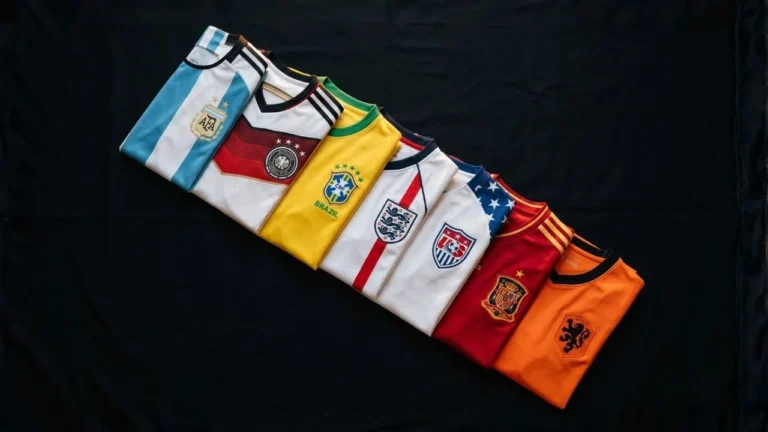
The 2026 World Cup isn’t just the biggest football tournament ever — it’s the most lucrative. FIFA has confirmed a record $871 million total distribution to participating teams, with the winning nation taking home a historic $50 million. That’s nearly double what Argentina earned for winning in 2022. Here’s the complete breakdown of how every cent gets paid out.
The Headline Numbers
- Total prize pool: $871 million (largest in World Cup history)
- Performance prize money: $655 million
- Winner’s payout: $50 million (up from $42M in 2022)
- Minimum guarantee per qualified team: $12.5 million
- Increase from 2022: +98% (nearly doubled)
- Number of teams paid: All 48 qualifiers
Where the $871 Million Comes From
FIFA’s total distribution is built from three buckets:
The main pot, paid based on each team’s final tournament position. A winner takes $50M from this pool; a group-stage exit earns $10M. Every stage your nation reaches unlocks a higher tier.
Every one of the 48 qualified teams receives a flat $10 million simply for reaching the World Cup — a payout that didn’t exist in this form before 2026. Just qualifying is now worth millions.
Each of the 48 nations receives a $2.5 million preparation fee to cover camp costs, travel between three host nations, and tournament logistics. The fund grew after several European federations raised concerns about the tri-nation format’s higher costs.
Payout by Tournament Position
Here’s exactly what each team earns based on how far they advance — from the champions all the way to the 16 teams that go home after the group stage.
| Finishing Position | Performance Pay | Total Earnings |
|---|---|---|
| 🏆 Winner | $50,000,000 | $62.5M |
| 🥈 Runner-up | $33,000,000 | $45.5M |
| 🥉 3rd place | $29,000,000 | $41.5M |
| 4th place | $27,000,000 | $39.5M |
| Quarter-finalists (5th–8th) | $20,000,000 | $32.5M |
| Round of 16 (9th–16th) | $15,000,000 | $27.5M |
| Round of 32 (17th–32nd) | $11,000,000 | $23.5M |
| Group stage exit (33rd–48th) | $10,000,000 | $22.5M |
“Total Earnings” includes the $10M qualification bonus + $2.5M preparation fee.
How This Compares to 2022
The jump from Qatar 2022 to North America 2026 is the largest single-tournament prize increase in World Cup history.
| Metric | Qatar 2022 | USA / Canada / Mexico 2026 |
|---|---|---|
| Total distribution | $440 million | $871 million |
| Performance pool | $440 million | $655 million |
| Winner’s prize | $42 million | $50 million |
| Runner-up | $30 million | $33 million |
| Group stage exit | $9 million | $10 million |
| Teams paid | 32 nations | 48 nations |
How the Prize Pool Grew Over Time
To understand how dramatic this jump is, look at the World Cup winner’s prize across the modern era:
| Tournament | Winner | Winner’s Prize |
|---|---|---|
| 1994 USA | Brazil | $4 million |
| 1998 France | France | $6 million |
| 2002 Korea/Japan | Brazil | $8 million |
| 2006 Germany | Italy | $20 million |
| 2010 South Africa | Spain | $30 million |
| 2014 Brazil | Germany | $35 million |
| 2018 Russia | France | $38 million |
| 2022 Qatar | Argentina | $42 million |
| 2026 USA/Can/Mex | ? | $50 million |
The 2026 winner will earn more than 12 times what Brazil received for winning in 1994. World Cup money has compounded at roughly 8–9% per year for three decades.
Do the Players Get the Money?
This is the most-asked question after every World Cup: when a nation wins $50 million, do the players see it?
The short answer: not directly. FIFA pays the money to the national federations, not the players. Each federation then decides how to distribute it. The split varies wildly by country:
- Argentina (2022 winners): Reports indicated each player received roughly $1.1 million from the $42M payout — about 50% to players, the rest to federation operations, coaches, and staff
- France (2018 winners): Players received an estimated $500,000–$700,000 each from a $38M payout
- Some smaller federations retain the majority for grassroots development and reinvest in future tournaments
Star players typically don’t need the money — Lionel Messi, Kylian Mbappé, and Erling Haaland earn $20–50 million per year just from their clubs. But for players from Curaçao, Cape Verde, or Jordan, a World Cup bonus could be the largest cheque of their careers.
The Club Benefits Programme
FIFA also pays the clubs that release players for the World Cup. This is separate from the team prize pool:
- Total club fund: $355 million for 2026
- Per-player rate: Around $13,500 per day per player at the tournament
- Why this exists: To compensate clubs (especially European giants) for releasing star players who might get injured or fatigued
- A club with multiple players going deep in the tournament can earn millions. Manchester City reportedly earned over $4 million from the 2022 World Cup alone.
Compared to Other Sports
How does $50 million for the World Cup winner stack up against other top sporting championships?
| Championship | Winner’s Prize |
|---|---|
| FIFA World Cup 2026 | $50 million |
| UEFA Champions League 2025 (Club final) | ~$23 million |
| Super Bowl winner share (per player ~$170K × 53) | ~$9 million team |
| Wimbledon men’s singles 2025 | ~$3.5 million |
| Tour de France yellow jersey | ~$550,000 |
| FIFA Women’s World Cup 2023 (winner) | $4.3 million |
The World Cup is in a league of its own. Even the Champions League final pales by comparison.
Five Fast Facts
- Even losers get rich. A team that loses all three group games still walks away with $12.5 million. That alone is more than most national football budgets.
- Underdogs win bigger than ever. If Curaçao (population 156,000) reach the Round of 16, their $27.5M payout would equal roughly $176 per citizen of the entire country.
- Host nations don’t get extra. Despite hosting, the USA, Mexico, and Canada earn nothing more than other teams — only performance-based payouts.
- FIFA earned this money. The $871M distribution comes from FIFA’s commercial revenue: TV rights, sponsorships, and matchday revenue, projected to clear $11 billion across the 2023–2026 cycle.
- The 2030 jump. Industry insiders expect 2030 prize money to exceed $1 billion, with the winner taking home $60–$70 million as the trend continues.
Who Stands to Win the Most?
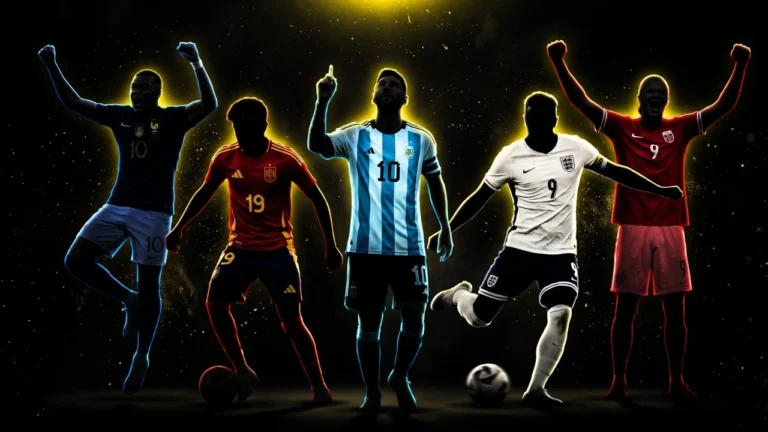
Based on pre-tournament odds, the teams most likely to walk away with the $50M jackpot are Spain, France, Brazil, Argentina, and England. But football’s history is full of surprises — Greece won the 2004 Euros at 150-1, and Morocco‘s 2022 semifinal run earned them $25M no one predicted.
Final Whistle
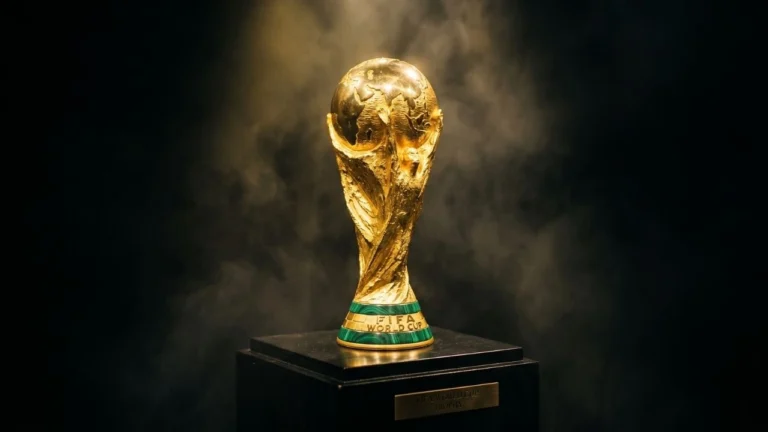
$871 million distributed. $50 million to the champions. $12.5 million just for showing up. The 2026 World Cup is the richest tournament football has ever seen, and the gap is only growing. By 2030, the winner could lift over $60 million along with the trophy. But for the players, coaches, and federations battling across 16 host cities this summer, the real prize is the same as it has always been — the gold-plated Gazzaniga masterpiece they get to raise above their heads on July 19.
See more on the tournament: read about the FIFA World Cup Trophy and its history, the 16 host cities and stadiums, the 10 underdog teams that could shock the tournament, and the top 10 players to watch.